
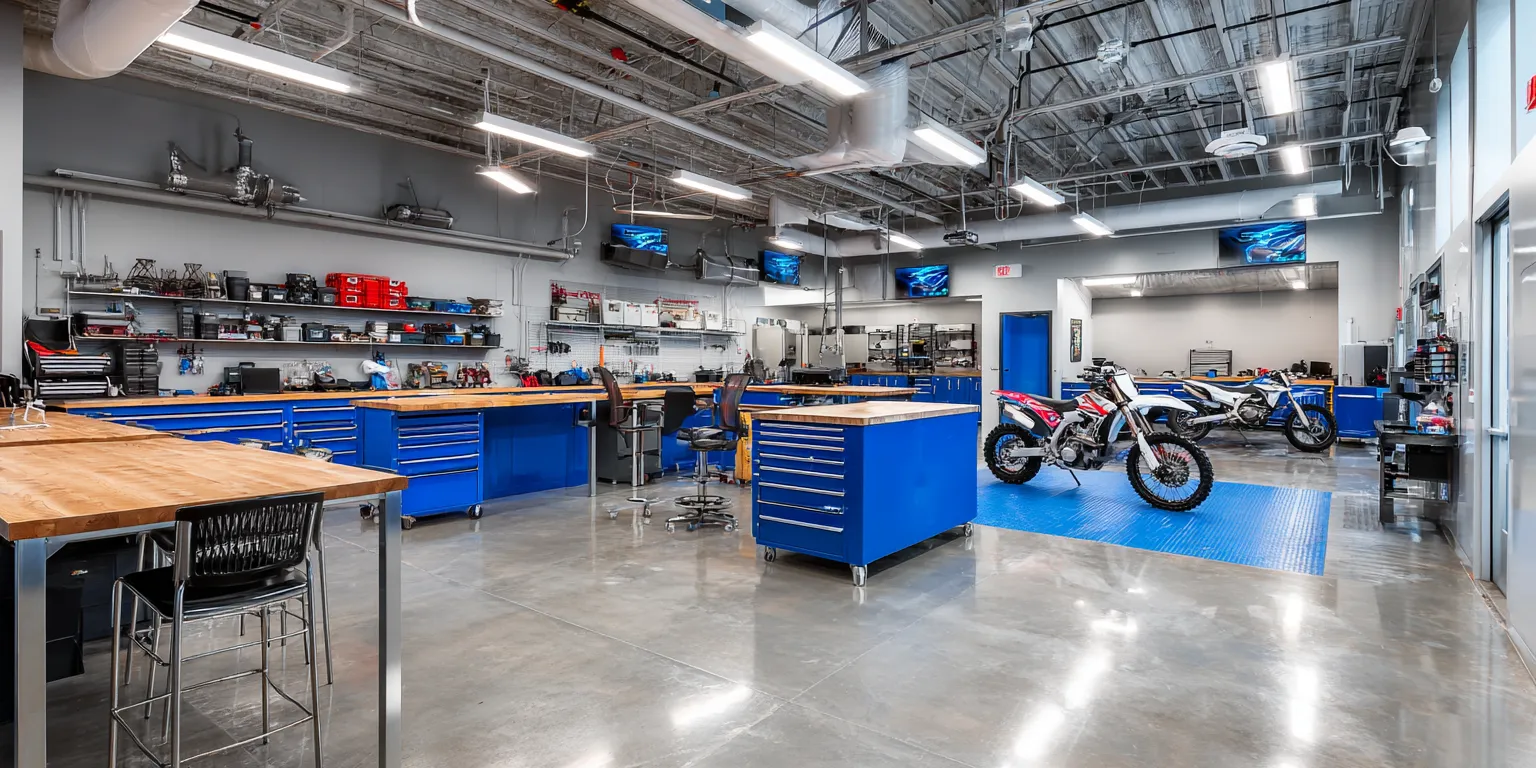
In a powersports dealership, it’s easy to focus on unit sales. Motorcycles, ATVs, UTVs, and personal watercraft are exciting, visible, and often the primary marketing focus. But behind the scenes, there’s a quieter profit engine that determines whether a dealership merely survives or truly thrives:
Service technician productivity
If you want to increase gross profit and protect net income, the most powerful lever you can pull isn’t always more sales — it’s better productivity in your service department.
Understanding Technician Productivity
Technician productivity measures how efficiently your service team turns available time into billable labor.
At its simplest:
Productivity (%) = Billable Hours Produced ÷ Hours Available
For example:
That 20% gap? That’s lost revenue — and it compounds fast.
Why Productivity Directly Impacts Gross Profit
Service departments typically generate some of the highest gross margins in the dealership — often 60–75% on labor. That means every additional billable hour carries significant profit.
When productivity drops:
When productivity improves:
Even a modest 5–10% productivity improvement can translate into tens of thousands of dollars annually in additional gross profit.
The Fixed Cost Reality
Here’s the key: Technician wages are largely fixed once they’re scheduled.
If you’re paying a technician for 40 hours, you’re paying that cost whether they produce 25 billable hours or 38.
Low productivity means:
High productivity means:
This is why productivity doesn’t just affect gross — it flows straight to the bottom line.
How Productivity Impacts Net Profit
Net profit is what remains after covering:
Because most of these costs are fixed or semi-fixed, improved service productivity increases profit without increasing overhead.
In other words:
Every additional productive hour is disproportionately valuable to net profit.
If your dealership is struggling with tight margins on unit sales, strong service productivity can stabilize and even carry your business during slower retail cycles.
The Multiplier Effect: Parts and Service Together
Technician productivity doesn’t just increase labor gross — it increases parts gross.
More completed repair orders mean:
A productive technician creates a ripple effect across the entire fixed operations department.
Warning Signs of Productivity Problems
Many dealerships unknowingly leave money on the table. Watch for:
If you’re not measuring productivity weekly, you’re guessing — and guessing is expensive.
Key Drivers of Higher Productivity
Improving productivity isn’t about pushing technicians harder. It’s about removing friction.
Focus on:
1. Proper Scheduling
Balance workload to match technician skill level and available hours.
2. Accurate Estimates
Ensure flat-rate times are used correctly and repair orders are properly built.
3. Parts Availability
Pre-pull parts whenever possible to eliminate downtime.
4. Clear Communication
Service advisors and technicians must operate as one team.
5. Training & Specialization
Master technicians working within their strengths increase both efficiency and quality.
The Bigger Picture: Absorption Rate
Service productivity also plays a major role in absorption rate — the percentage of fixed expenses covered by parts and service gross profit.
Higher productivity:
In a seasonal industry like powersports, this stability is critical.
Final Thoughts: Productivity Is Leadership, Not Pressure
Improving technician productivity isn’t about micromanagement or squeezing your team.
It’s about:
The most successful powersports dealerships understand one thing:
When technician productivity improves, gross profit grows.
When gross profit grows, net profit follows.
And when net profit grows, the dealership gains freedom, stability, and long-term value.
.svg)