
When you combine Finance & Insurance (F&I) with accessories, you aren’t just selling "add-ons"—you’re building a fortress around your profit margins. Individually, they’re great; together, they are the reason a dealership stays profitable when front-end unit margins are thin.
Keep in mind, most customers need to borrow to complete the dream. We must be careful not to put them in a financial pinch up front or overload them with gear that doesn't add real value. But the reality is, most buyers, especially those new to the market, are going to spend up to $3,000 on the basics just to get started.
Here is how the two feed each other:
The "Blank Canvas" Opportunity
A major unit is just a starting point. Whether it’s a street rider who needs a higher-quality helmet and performance exhaust, a UTV owner looking for a light bar and a winch, or a sport touring rider who can't leave the lot without luggage, these aren't "extras." They are part of the machine’s purpose.
If you don't offer these items during the sale, you're sending the customer to the internet to find them later. When you create a good flow from the showroom floor to the parts counter, you’re helping the buyer build the machine they want.
Eliminating Sticker Shock
Dropping $3,000 in cash on top of a down payment is a big ask. But moving that amount into the F&I office changes the math. That performance exhaust or luggage set turns into a couple of dollars a day on the loan. It allows the customer to get the "upgraded" version of their dream bike without immediate financial hit, while you secure a high-margin P&A sale.
Protection and Value
Adding accessories makes the F&I conversation easier. A custom-built unit is worth more to the customer, which makes them more likely to see the value in GAP protection or an extended service plan. You aren't just protecting a stock machine; you're protecting their specific "build."
Don’t Fear the Flow
Some teams feel "guilty" adding to the price, but a good sales flow isn't about pressure, it's about completeness. When a customer walks out with a street bike that sounds right and a helmet that protects them, or a UTV that's ready for the woods, they are happier. Both the buyer and the seller win when the machine is delivered "ready to ride."
The physical layout of your store, the CX-RE side of things, isn't just about looking good. It’s a tool to help the F&I manager close more deals. When the showroom and the finance office isn't on the same page, you’re making the sale twice as hard.
Here is how the environment works with F&I to move more units and gear:
The Visual Anchor
If your F&I office is tucked away in a dark corner far from the gear, the "add-ons" feel like an abstract math problem. Design the floor so that the path to the finance office leads right past the high-margin "Power Walls." When a customer sits down to talk numbers, they should still be able to see the accessorized unit or the premium helmet through the glass. It keeps the "dream" in sight while they’re signing the papers.
The "Hero" Build at the Door
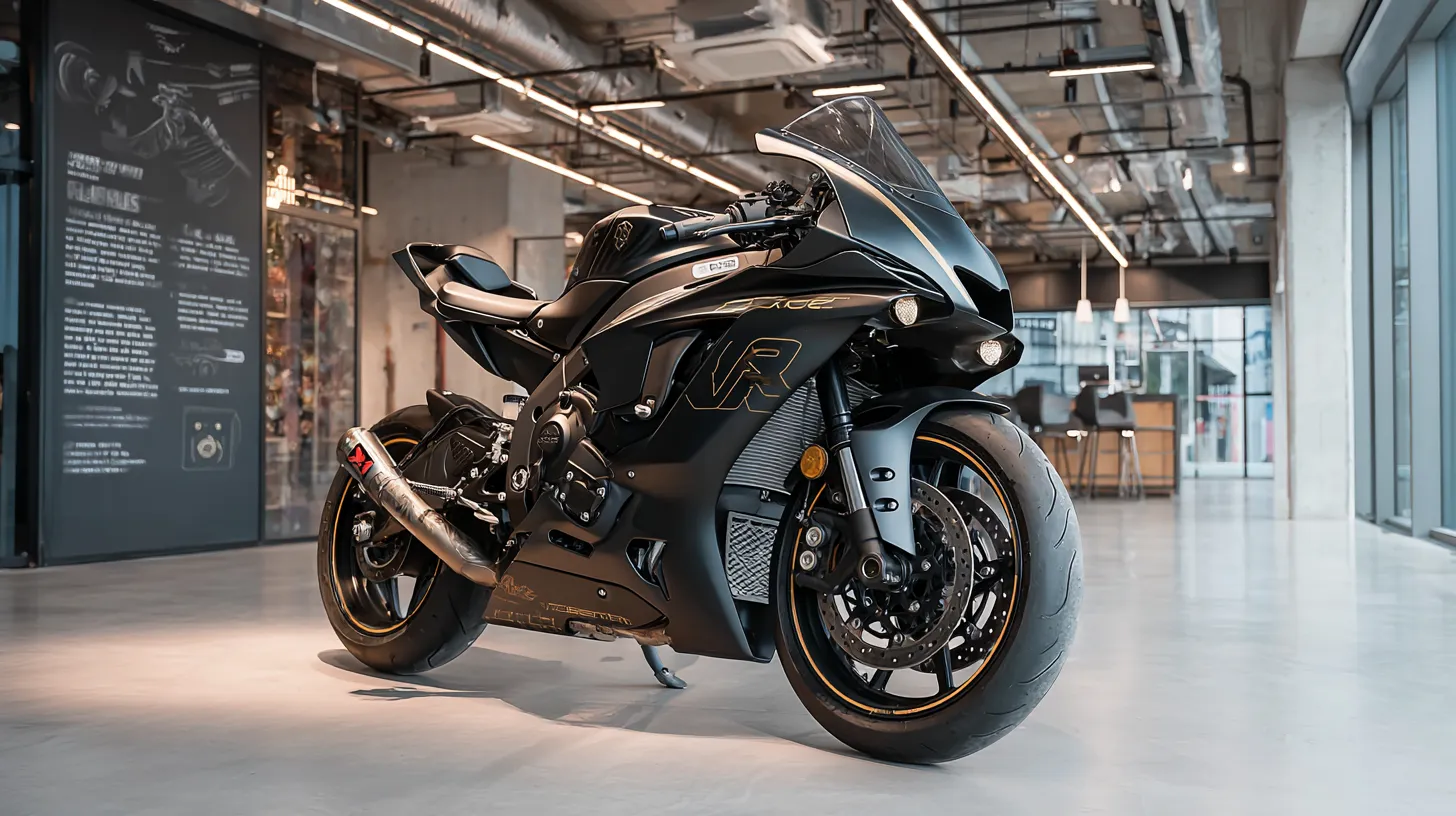
Every F&I office should have a "Hero" unit fully decked-out machine—parked right outside the door. It serves as a constant visual reminder of what they’re financing. It’s a lot easier for an F&I manager to say, "It’s only an extra $1.50 a day to have your unit look like that one right there," when the customer is literally staring at it.
The Bottom Line
F&I provides the funding, and accessories provide the excitement. When you link them together correctly, you move more inventory, protect your back-end profit, and ensure the customer walks out with a unit that’s ready for the road or the trail. Herohub CX-RE coaching is here to make your store's performance go full throttle.
Jennifer Robison, CX-RE*
Performance Coach / Retail Environments
CX - Virtual Coaching provides the strategic eyes and the retail discipline your dealership needs to ensure P&A isn't just a convenience for customers, but a massive contributor to your bottom line.
*-RE is a performance-leading design strategy focused on showroom layout logic, architectural liaison, and premium fixture sourcing to maximize retail profitability.
.svg)